


By Leonor Fernández, MD
Director, Patient Engagement, Healthcare Associates, Beth Israel Deaconess Medical Center
Health Equity Senior Advisor, Beth Israel Lahey Health
Assistant Professor, Harvard Medical School
The New Year invites us to celebrate the resilient spirit of our many Boston communities and to reflect upon how we can build a better 2022. As a primary care doctor, I have the honor of accompanying patients in their health journeys. Many patients I see share that their loved ones are the most important to them.
We face difficult weeks ahead, as our hospitals, clinics, and communities are feeling the strain of increasing COVID infections, and we are all fatigued by our continuing struggle against this pandemic.
Our actions matter. By informing and protecting ourselves, we can help protect our loved ones, and also support our health care workers who are working hard to give the best care possible. Latinx, Black, and Indigenous communities have had disproportionate rates of illness during the pandemic, with high death rates from COVID. And yet, we are resilient.
How can we keep our families and our loved ones as healthy as possible?
1. Get reliable information: There is a lot of confusion and misinformation about COVID. Your health care provider and the CDC (https://espanol.cdc.gov/coronavirus/2019-ncov/index.html) can give you the most accurate information about the virus.
2. Get a COVID-19 vaccine and booster: Vaccines reduce our chances of getting COVID and dramatically reduce the risk of hospitalization and death. The Omicron variant is much more infectious than previous strains, so it is especially important to get a booster when you are eligible. Visit https://vaxfinder.mass.gov/ to learn where you can get the vaccine for yourself and your loved ones, or call 311 for assistance. Latino and Black children in Massachusetts currently have lower rates of COVID vaccination, which means that they and their extended families are less protected against this virus. Our communities deserve protection, and vaccines are one of the best tools we have to fight the pandemic.
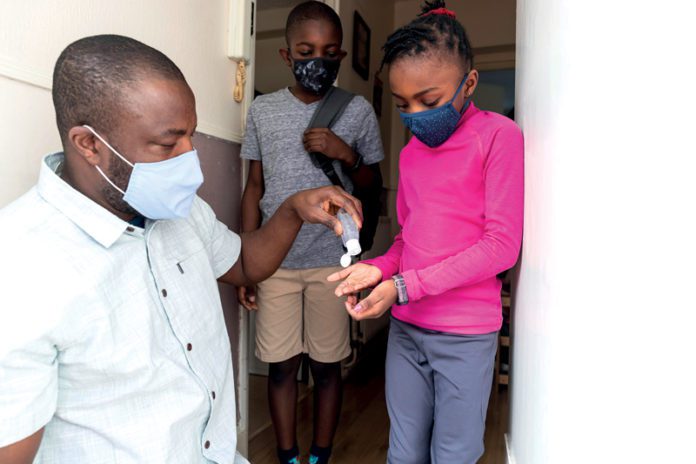
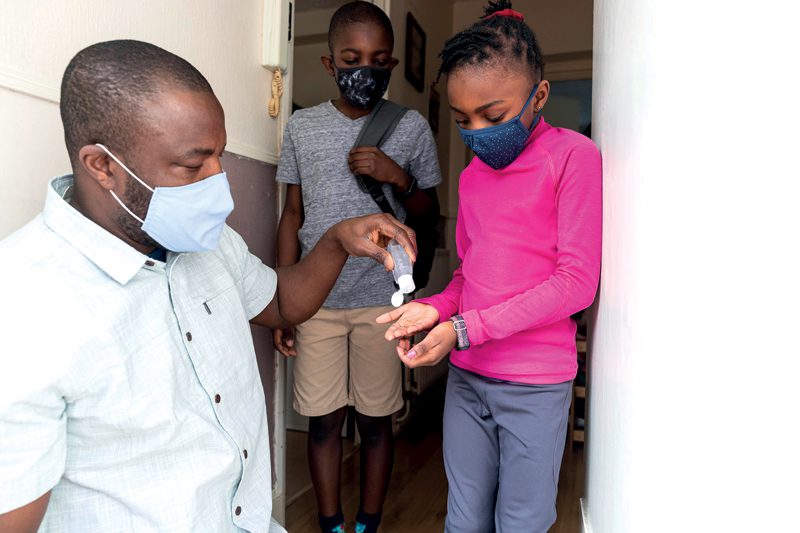
3. Wear a mask when in public or crowded indoor spaces, and if you may have been exposed to someone with COVID: Wearing masks reduces the chance of catching and spreading COVID. As cases continue to rise, it is critical that we all wear masks when we are in crowded, indoor locations – even with our family and friends. Remember, you can transmit the infection even when you have no symptoms, and for some, it may be serious.
4. Seek the care you need and deserve in the right location: Don’t delay emergency care when you have symptoms that could be dangerous. It is important to get immediate care for symptoms of heart attack, stroke, and for any other emergency. For situations that are not emergencies, such as minor infections, minor headaches, muscle pains, minor scrapes and bruises, your primary care doctor or local urgent care clinic can address your concerns more quickly and more efficiently. It is important to continue regular check-ups and health screenings to prevent and manage conditions, such as diabetes, high blood pressure and asthma.
As a primary care doctor, I am humbled by the strength and resourcefulness I see in patients like “Ana.” Our people are resilient, and our many cultures are vibrant and rich. My wish for all of us in 2022 is that we work together to promote equity in health, guided by mutual respect, curiosity, science, and love.